
Can GLP-1 Medications Improve Insulin Resistance and Energy Levels?
Can GLP-1 Medications Improve Insulin Resistance and Energy Levels?
What Insulin Resistance Actually Is

Insulin is the hormone that escorts glucose from your bloodstream into your cells, where it is converted into energy. When cells become resistant to insulin, they stop responding to this signal efficiently. Your pancreas compensates by producing more insulin. Blood sugar remains elevated. The excess glucose gets converted to fat — preferentially stored in the abdomen. And your cells, starved of the energy they cannot access, leave you feeling perpetually fatigued.
The irony of insulin resistance is that you can have high blood sugar, high insulin, and high energy demands simultaneously — and still feel exhausted. Because the energy is present but cannot get where it needs to go.
How GLP-1 Medications Address Insulin Resistance
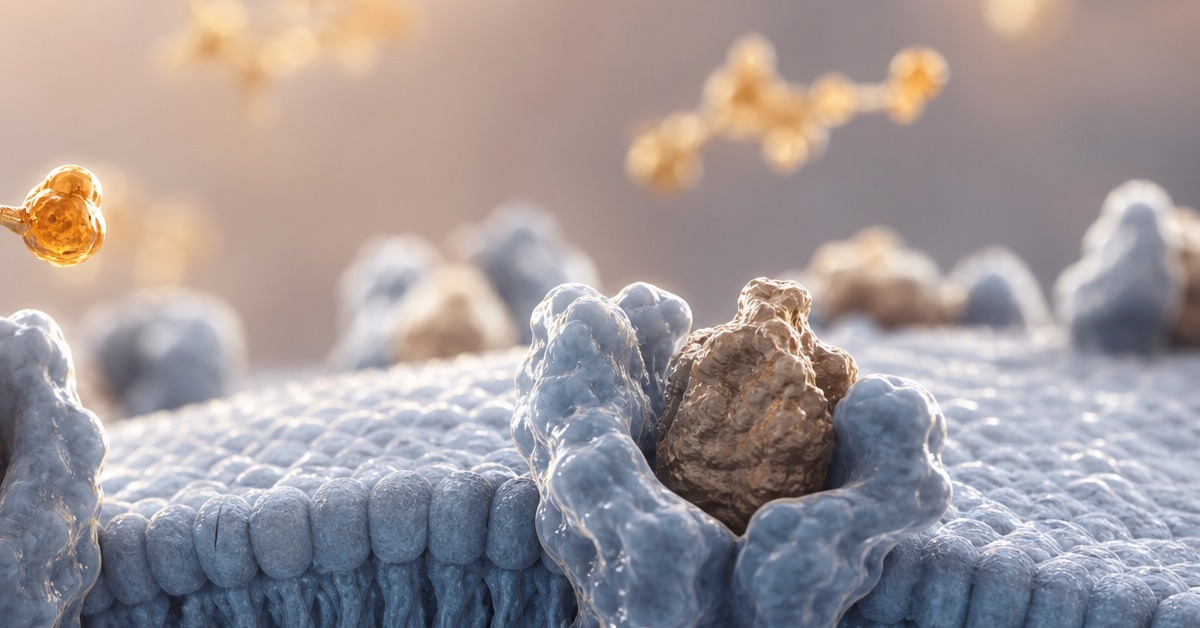
GLP-1 receptor agonists work on insulin resistance through several complementary mechanisms.
First, they stimulate insulin release only in response to elevated blood sugar — not chronically, the way some diabetes medications do. This glucose-dependent mechanism means insulin is released when needed, then stops. Over time, this reduces the chronically elevated insulin levels that characterise insulin resistance.
Second, they slow gastric emptying — meaning glucose enters the bloodstream more gradually after meals, producing smaller, more manageable blood sugar spikes. This reduces the insulin demand on the pancreas with every meal.
Third, Tirzepatide's additional GIP mechanism directly improves the sensitivity of fat and muscle cells to insulin — not just managing the downstream effects of insulin resistance, but beginning to correct the underlying cellular dysfunction.
The result, over weeks and months, is a measurably improved insulin response. Cells begin to respond more efficiently. Blood sugar stabilises. Insulin levels drop. And with that comes a cascade of downstream improvements — including energy.
The Energy Connection

One of the most consistently reported — and most underreported — benefits of GLP-1 therapy is a significant improvement in energy levels. Patients who have spent years feeling fatigued despite adequate sleep often describe a notable shift within the first 4 to 8 weeks of treatment.
This makes complete physiological sense. As insulin resistance improves, glucose can enter cells more efficiently. The energy that was previously circulating in the blood but inaccessible to tissues becomes available. Mitochondrial function improves. Inflammation — which contributes significantly to fatigue — begins to reduce.
1. Test your fasting insulin and HbA1c. These are the most reliable markers of insulin resistance and should be part of any baseline metabolic assessment.
2. Add resistance training. Exercise — particularly strength training — improves insulin sensitivity independently of GLP-1 therapy and compounds its effects.
3. Reduce refined carbohydrates. Lowering the glycaemic load of your diet reduces the insulin demand on your body with every meal — supporting the improvements that GLP-1 therapy initiates.
4. Prioritise sleep. Poor sleep acutely worsens insulin resistance. Even partial sleep restriction produces measurable insulin sensitivity reductions within days.
5. Ask about GLP-1 therapy as a metabolic intervention — not just a weight loss tool. The improvements in insulin resistance and energy are clinically meaningful in their own right.
More Than Weight Loss
For patients with insulin resistance, GLP-1 therapy is not just about losing weight. It is about restoring the metabolic function that makes energy, focus, and health possible.
At HRT House, we treat insulin resistance as the underlying condition it is — not just as a contributor to weight gain. Our GLP-1 protocols are designed to address the full metabolic picture.
Book your consultation at hrthouse.com and let's assess your insulin sensitivity and build a plan around restoring it.
HRT House | Clearwater, FL & Miami, FL | hrthouse.com | +1 833 773 0414